History of Brisbane
From a colonial penal settlement to a vibrant world-class city hosting the 2032 Olympics.
Founded
1824
Population
~2.7 Million
Area
15,826 km²
River
Brisbane River
Climate
Subtropical
State Capital
Queensland
Historical Timeline
First European Settlement
John Oxley explores Moreton Bay and recommends it as a site for a penal colony. The area is named after Governor Thomas Brisbane.
Moreton Bay Penal Colony Founded
A penal settlement is established at Redcliffe, then relocated to the current Brisbane CBD site along the Brisbane River.
Free Settlement Opens
Moreton Bay is opened to free settlers after the closure of the penal colony, sparking rapid population growth.
Queensland Separation
Queensland separates from New South Wales and Brisbane is proclaimed the capital of the new colony.
City of Brisbane Incorporated
Brisbane is officially incorporated as a city, unifying numerous surrounding municipalities under a single council.
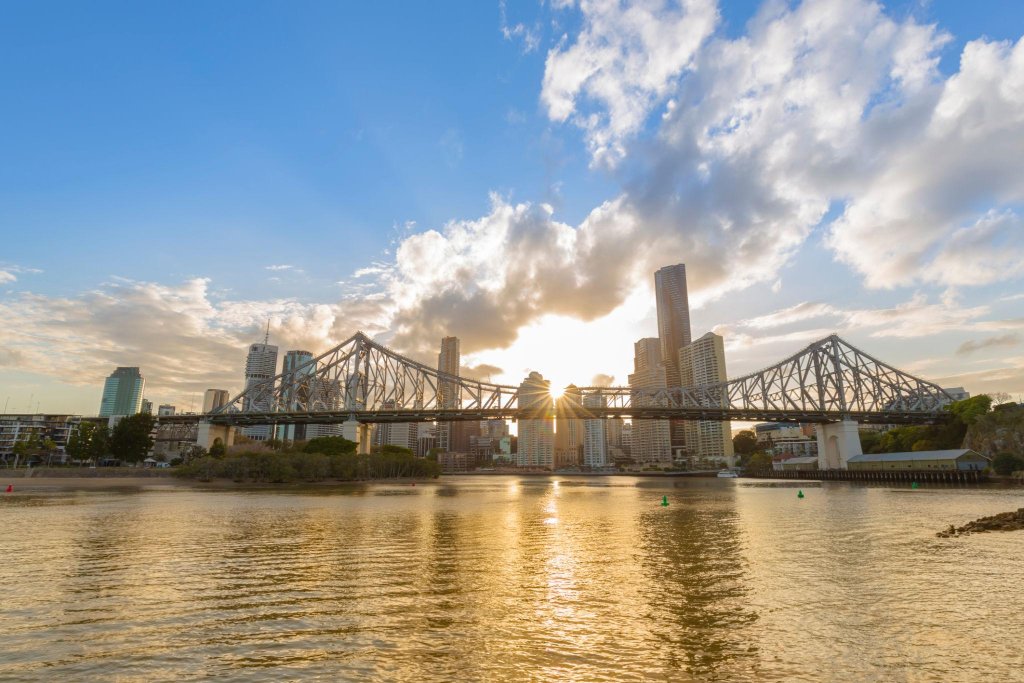
Story Bridge Construction Begins
Planning begins for the iconic Story Bridge, which would become one of Brisbane's most recognisable landmarks upon completion in 1940.
Brisbane Floods
Severe flooding devastates the city, inundating thousands of homes and businesses and reshaping flood management policy.
Commonwealth Games
Brisbane hosts the Commonwealth Games, transforming the city's infrastructure and placing it on the international stage.
World Expo 88
World Expo 88 draws over 18 million visitors to South Bank, permanently transforming the precinct into a cultural hub.
Queensland Floods
Catastrophic flooding again impacts Brisbane and surrounds, prompting major infrastructure investment and resilience planning.
Olympic Games
Brisbane is awarded the 2032 Summer Olympic and Paralympic Games, cementing its status as a world-class city.
"Brisbane — a city that blends subtropical warmth with a bold, forward-thinking spirit, always ready for its next chapter."